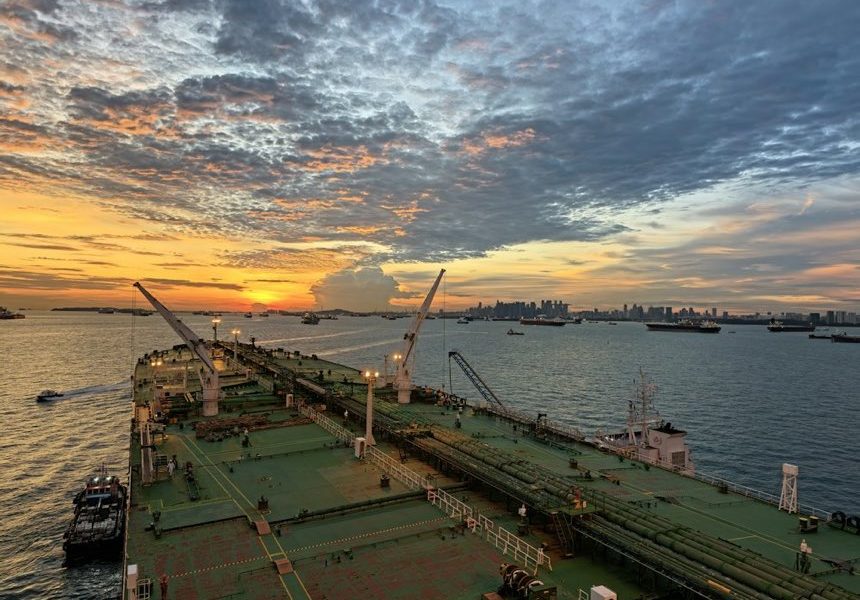
Supplying fuel to vessels, with the grade and the quantity settled before the vessel arrives rather than argued about after it leaves.
Bunkering is judged almost entirely on two things: whether the fuel met specification, and whether the quantity delivered matched the quantity invoiced. Disputes on either are expensive and slow, and they are nearly always the result of something that was not agreed clearly beforehand.
Before delivery
We confirm the grade against the vessel specification, the quantity, the delivery window and the point of supply, and we work with the vessel agent so the schedule is understood by everyone before the vessel is alongside. If the window moves, we would rather re-plan it than deliver into a rush.
At the transfer
Quantity is measured and recorded at the transfer, and samples are drawn and retained by both parties. A bunker delivery note is issued on completion covering the grade, the quantity and the time of delivery. Those records are the whole basis on which a later question is settled, so they are made properly at the time.
Working with the terminal
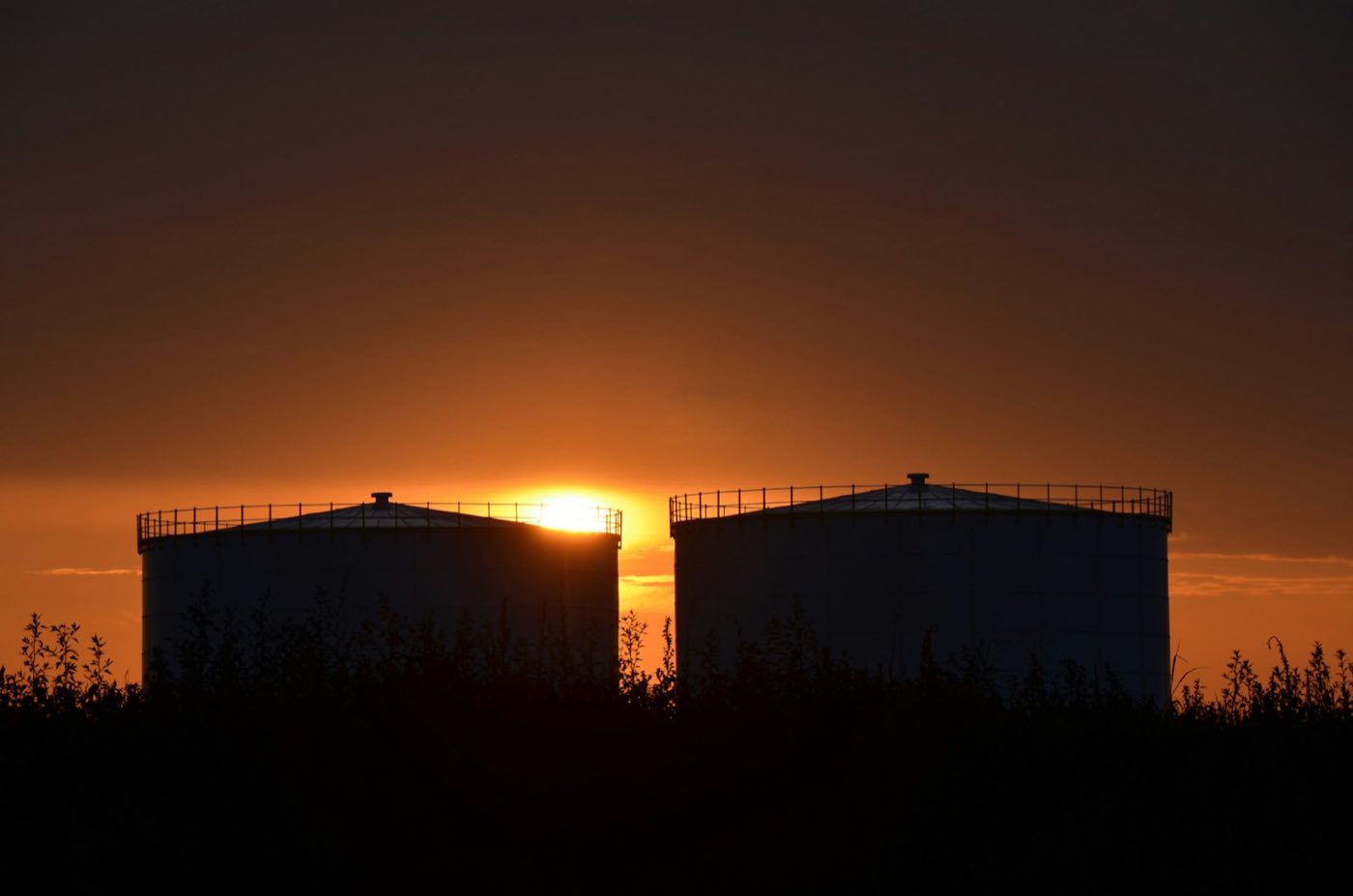
Where the fuel comes out of our own storage, the supply chain is short and traceable: the same records follow the product from receipt into tank through to the vessel. That is the arrangement we prefer, and it is usually the one that gives the fewest surprises.
Availability
Placeholder — replace before launch. State here the ports and waterways where the company actually supplies, the grades held, and any notice period required. Do not list locations the company cannot serve.
What is included
- Fuel grades confirmed against the vessel specification
- Quantity and delivery window agreed before arrival
- Samples drawn and retained at the point of transfer
- Bunker delivery note issued on completion
- Coordination with the vessel agent and terminal