Getting the cargo to where it is needed, by road or by rail, with the paperwork ready before the vehicle arrives.
Freight for liquid bulk is not a matter of finding a vehicle. The equipment has to suit the product, the route has to accept it, the loading point has to have a slot, and the documents have to be correct in every jurisdiction the cargo passes through. Any one of those going wrong stops the load.
Road
Road tankers are matched to the product class and to the delivery point. We confirm access, discharge arrangements and receiving hours before the vehicle is dispatched, because a tanker that arrives at a site which cannot take it costs a day and a charge. Drivers carry the transport documents for the cargo they are actually holding.
Rail
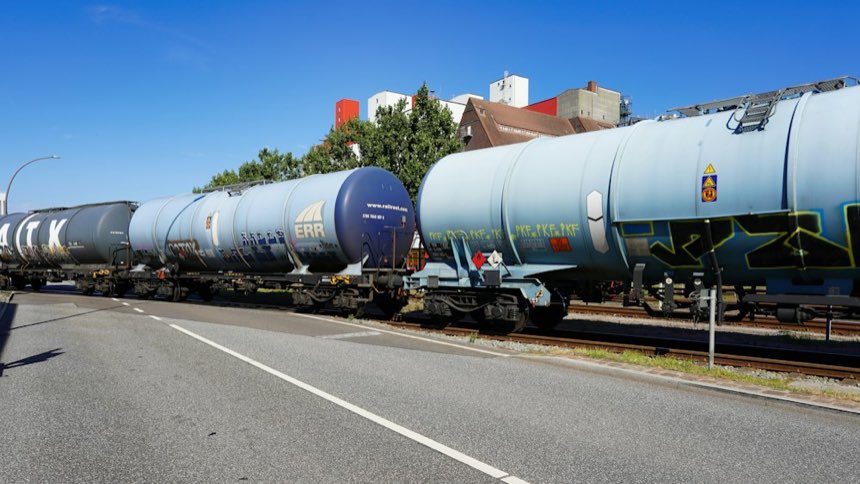
For larger volumes and longer distances, rail tank cars are the more sensible unit. We arrange the cars, the loading slot and the consignment documentation, and track the wagons through to the receiving siding. Where a movement combines rail and road, the handover is planned as a single job rather than two.
Documentation
Transport documents, dangerous goods paperwork, transfer records and customs declarations are prepared alongside the booking, not after it. Where a shipment crosses a border, we tell you at quoting stage which documents we will need from you and when.
Combined with storage
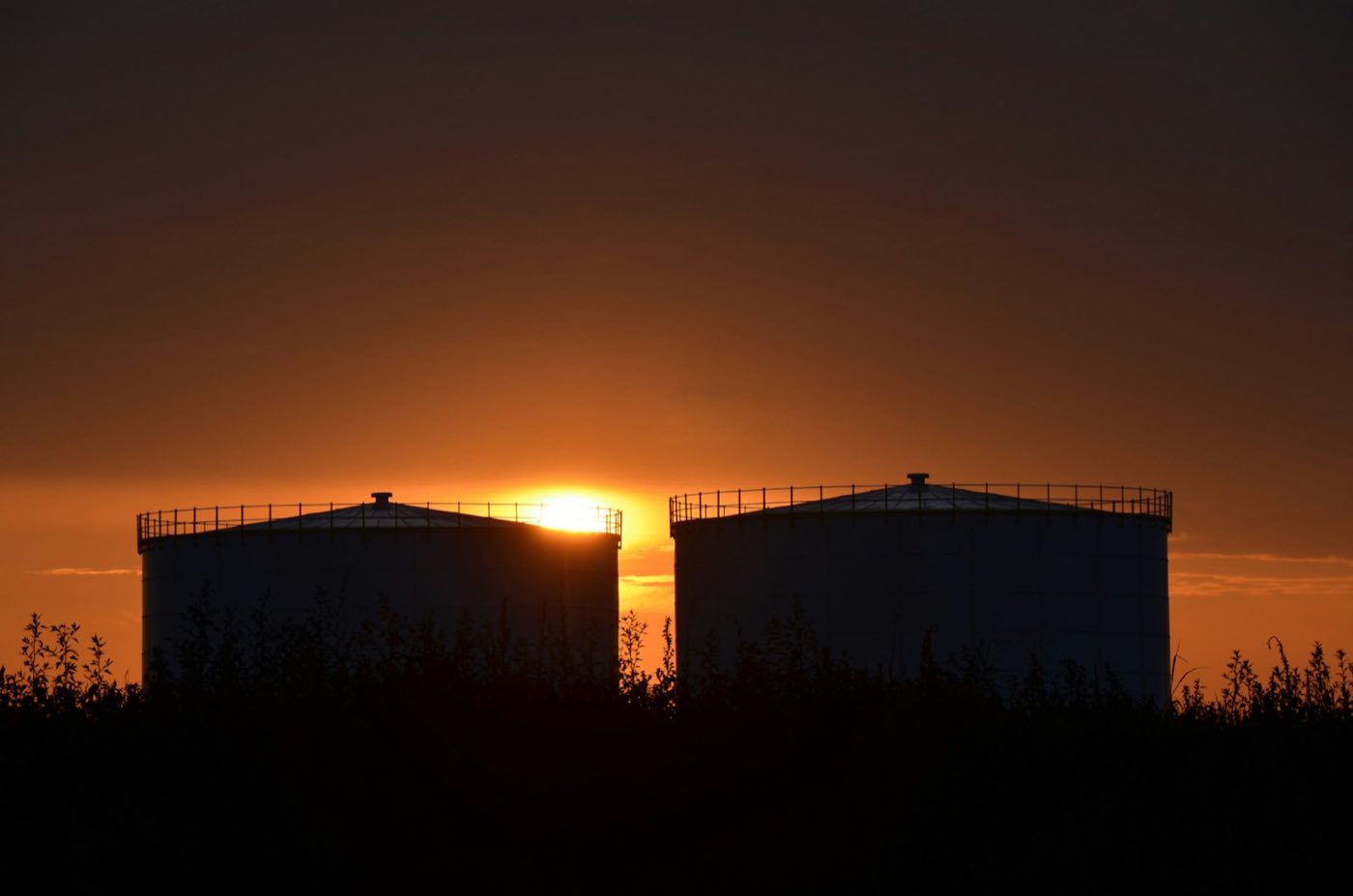
Most of our freight work moves cargo that is already in our tanks. When storage and transport sit with the same operator, the loading slot is allocated against our own capacity and there is no negotiation between two companies about whose delay it was.
What is included
- Road tanker and rail tank car movements
- Loading slots booked against terminal capacity
- Transport and customs documentation prepared in advance
- Route and equipment matched to the product class
- Delivery confirmed back to you in writing